How to Combine a Smoothie Diet With Healthy Snacks for Effective Weight Loss
When people try a smoothie diet for weight loss, the first challenge is rarely math or willpower. It is staying consistent without feeling hungry all day, bored with the same flavors, or stuck in a cycle of “smoothie now, snack later, regret immediately.” I have seen the same pattern play out with clients and friends. You feel great at the start, then your schedule shifts, your blood sugar swings, and the whole plan starts to feel like punishment.
The good news is that a smoothie diet can work really well when you treat it as a structure, not a restriction. Adding healthy snacks at the right moments helps you bridge the gaps, reduce cravings, and keep your portions honest. Done well, “snacking on smoothie diet” becomes less about constant eating and more about timing and balance.
Build your smoothie routine around real hunger
A smoothie diet snack plan works only if your smoothies are doing their job. That means they need to be filling and predictable, not just “healthy.” Most people underestimate how much satiety comes from protein, fiber, and liquid thickness.
A practical approach is to anchor smoothies to your day instead of to perfection. For example, if breakfast is when you usually feel most out of control, make that your smoothie. If evenings are your hardest time, make your dinner smoothie the reset.
What to aim for in a weight loss smoothie
Keep the base consistent so your body learns the rhythm. In my experience, the easiest wins come from a few repeatable choices:
- Protein first: Add Greek yogurt, skyr, silken tofu, or a protein powder you tolerate well.
- Fiber included: Use chia, flax, berries, or oats. One trick is to keep the fruit amounts steady so the smoothie does not turn into juice.
- Healthy fats, modest portions: A spoon of nut butter or a small amount of avocado can improve fullness without making the smoothie heavy.
- Enough volume: Smoothies that are too thin can leave you hungry sooner. Aim for a texture that feels like a meal.
If you are often starving 60 to 90 minutes after a smoothie, that is usually a sign you need more protein and fiber, not just a bigger snack. The smoothie should carry you, and the snack should support you.
Choose snack timing like you are preventing cravings, not chasing them
Once your smoothie routine is set, the next step is learning when your appetite actually spikes. Cravings tend to follow patterns: mid-morning when work drains you, late afternoon when you are too tired to cook, or right after dinner when you want something sweet.
Snacks are most effective for weight loss when they prevent the “I am too hungry to make a good decision” moment.
Simple timing rules that tend to work
Consider these moments as your first targets for smoothie diet snacks:
- Mid-morning gap: If breakfast was a smoothie and lunch feels far away, plan a snack.
- Mid-afternoon slump: A small protein-forward snack can prevent evening overeating.
- After a workout: If you train, timing your snack matters for recovery and comfort, not just calories.
- Evening cravings: If you keep reaching for dessert, a planned snack can reduce the urge.
This is also where being kind to yourself matters. If you truly do not get hungry, do not force a snack. The goal is steady appetite, not constant eating.
Pick smoothie diet snacks that match your smoothie’s “job”
The most common mistake with healthy snack ideas for weight loss is making snacks that duplicate the smoothie too closely, especially if both are mostly fruit. You might feel full at first, then hunger returns quickly. Instead, think of each snack as a tool that balances the meal.
If your smoothie is mostly berries and yogurt, a smart snack might add crunch plus protein. If your smoothie is already heavy, your snack should be lighter and more controlled.
Healthy snack ideas for weight loss that pair well with smoothies
Here are snack options that fit naturally with a smoothie diet and help you stay satisfied:
- Hard-boiled eggs or a small egg-and-veggie plate
- Greek yogurt (plain or lightly sweetened) with cinnamon and a few berries
- Cottage cheese with cucumber, cherry tomatoes, or a squeeze of lemon
- Tuna or salmon packets with greens or whole-grain crackers
- Roasted chickpeas or edamame for crunch and fiber
Each of these supports weight loss because they bring protein and fiber to the table, which typically makes cravings less intense.
One trade-off to note: if you use too many “high-protein” foods without watching portions, calories can creep up. Portion control is not about restriction, it is about staying on your plan. You can still choose these snacks, just keep them sized like snacks, not second meals.
Keep portions steady, especially when snacks feel “small”
The phrase “healthy snack” can become a blank check. I have watched people eat two snacks “because they were small,” then wonder why the scale did not budge. Weight loss depends on the overall pattern, not only on food quality.
When you snack on smoothie diet, aim for snacks that feel satisfying, not snacks that remove you from your intended meal structure. A good rule of thumb is to use your smoothie and snack sizes to control your day’s energy. You can adjust based on hunger and progress.
A practical snack portion approach
If you want a simple way to stay grounded, consider these ranges as starting points (adjust to your body and activity):
- Yogurt or cottage cheese: about 1 cup
- Eggs: 1 to 2
- Nuts or nut butter: 1 small portion, measured if possible
- Edamame or chickpeas: about 1/2 to 1 cup
- Protein-rich snacks like tuna packets: one serving
If your hunger stays high even after a snack, that is often a signal you need better protein quality or more fiber, not a larger snack forever. Your body may be asking for a smoothie tweak too.
Use flavor variety to prevent the “same smoothie every day” slump
Adherence is the real secret ingredient. If you are fighting the plan, you will eventually break it, usually around the time you are tired and hungry. Variety helps, but it has to stay within the boundaries of a smoothie diet with healthy snacks.
A lot of people get stuck repeating one smoothie check here formula and then compensate with random snacks. That is where weight loss gets messy. Instead, rotate flavors while keeping the nutrition structure stable.
How I suggest rotating without losing control
Try changing only one or two components at a time:
- Swap fruit: berries one day, mango or peaches another day
- Change the base texture: oats for thickness, chia for fiber
- Switch protein sources: yogurt to tofu to protein powder, based on what sits well with you
- Add spices for satisfaction: cinnamon, vanilla, cocoa, ginger
If you do this, smoothie diet snacks can also stay consistent. For example, if you snack on yogurt, keep the snack protein-forward and portion-controlled, even as you change smoothie flavors.
And if you have a bad day, do not “make up for it” by skipping the next smoothie or punishing yourself with extra restriction. That pattern usually leads to stronger cravings later. Instead, return to your planned smoothie routine and choose one sensible snack at the next appropriate time.
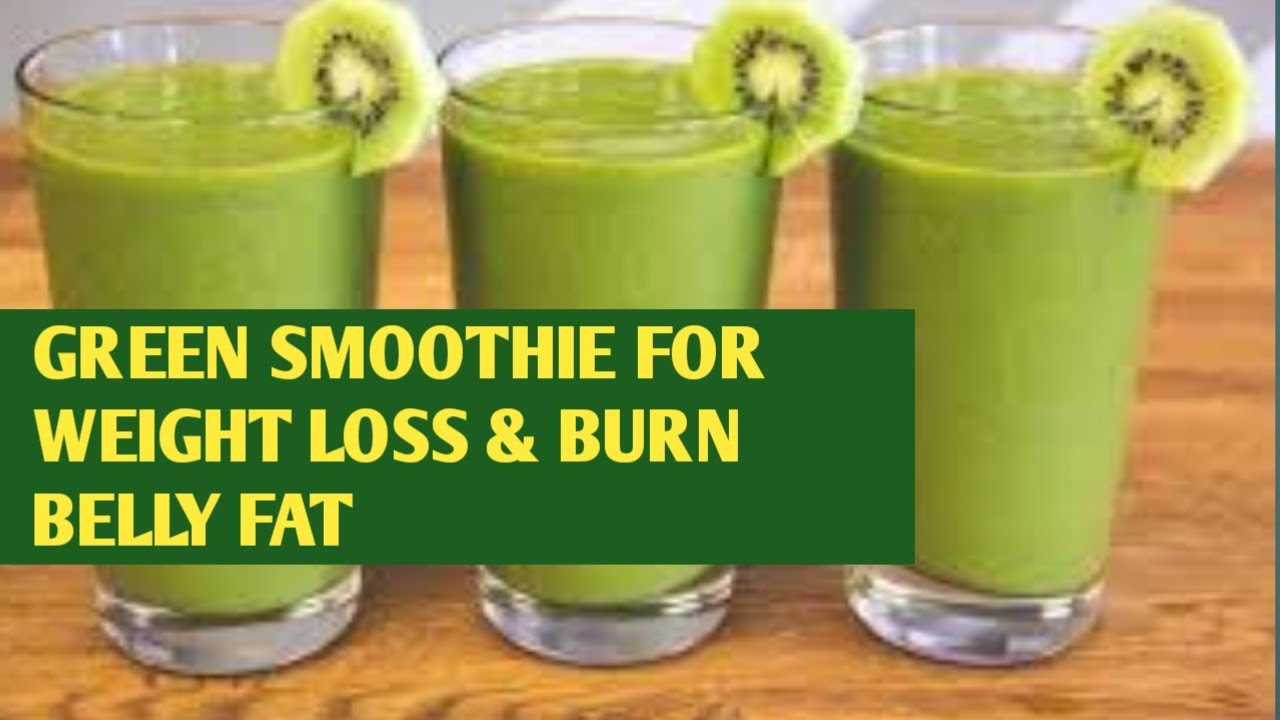
When you combine a smoothie diet with healthy snacks for effective weight loss, you are not weakening the plan. You are strengthening it, by meeting your body where it is, and guiding it gently toward steadier hunger and better choices.